Leukaemia – an overview of the causes, symptoms and treatment
Across Switzerland, around 1.300 people are diagnosed with leukaemia each year, accounting for only around 3% of all cancer cases. Not only the acute progression of the disease and prolonged treatment make it difficult for patients. Despite this, there is hope thanks to several research initiatives and advanced immunotherapy.
The chronic form of leukaemia often occurs in adults over the age of 70. Men tend to be affected slightly more often than women. Acute forms are much rarer in children. Leukaemia is caused by genetic changes in the stem cells that produce blood cells in the bone marrow. It is a disease of the blood-forming tissues with symptoms that are often difficult to categorise. Other causes include environmental toxins and chemicals (solvents such as benzene), chemotherapy and radiotherapy. However, it is rarely caused by exposure to medical radiation.
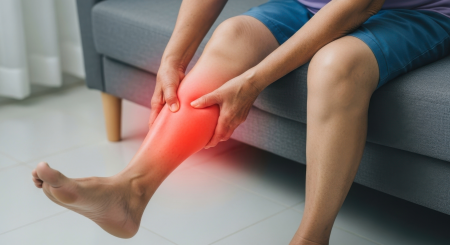
Signs of leukaemia include severe fatigue, weakness and pallor (anaemia). Infections can be detected in blood tests, accompanied by symptoms such as fever, night sweats, bleeding gums, bruising (thrombocytopenia), pain in the upper abdomen and, in children, sometimes joint pain.
Leukaemia is often discovered randomly during a blood test. For example, during routine examinations, clarification of infections or check-ups prior to surgery. How abnormalities are detected in a blood test: too few red blood cells (anaemia), too high or too low levels of white blood cells, or too few blood platelets (thrombocytopenia). By contrast, the acute form is usually diagnosed in hospital during a medical emergency.
Even if patients survive the disease, they may still suffer from long-term effects, such as:
- Memory problems
- Damage to the heart
- Increased susceptibility to infection
Treatment is selected on an individual basis and based on the following possibilities:
- Chemotherapy: increased side effects A form of treatment that has a non-generalised effect on all rapidly growing cells.
- Targeted therapy: this form of treatment targets certain molecular changes only. This means it is more easily tolerated.
- Immunotherapies (including CAR-T): artificially produced antibodies attach themselves specifically to the leukaemia cells. This form activates the immune system in a targeted manner.
- Stem cell transplant: in this case, the patient’s blood-forming tissue is replaced by a healthy one. The patient is first treated using chemotherapy (pharmaceutical agents) or radiotherapy to destroy the tumour cells. New healthy cells are administered via infusion, similar to a blood transfusion. The stem cells migrate independently into the bone marrow, where they begin to grow.
- Radiotherapy: Is only used in specific situations, for example in preparation for surgery or in the event of complications, to destroy the diseased bone marrow beforehand.
Major advances have been made in the treatment of leukaemia in recent years. Swissmedic, the Swiss regulatory authority approved CAR-T cell therapy as a treatment in Switzerland in October 2018. Today, various sub-types can also be distinguished. The treatment is tailored individually to the sub-type. Immunotherapy or targeted therapies may be combined with chemotherapy – in the past, chemotherapy was the main form of treatment.
With new treatment options, some forms of leukaemia can now be cured.
- Acute lymphatic leukaemia (ALL) has a high recovery rate in children (gpoh.de: 80 to 90%). In adults, the recovery rate depends on a number of factors (Onkopedia.com: 40 to 70%).
- The prognosis for acute myeloid leukaemia (AML) depends on the patient's age. In younger patients, the recovery rate is only (Sciencedirect.com: 40 to 60%). The rate of recovery is significantly lower in older patients. (Sciencedirect.com: around 25%).
- Acute promyelocytic leukaemia (APL) is the most treatable form, and now has a good rate of recovery (gpoh.de: 80 to 90%).
Conventional medical approaches are the mainstay of leukaemia treatment. In addition, other therapies are also employed.
Supportive therapies:
- Infection management: emergency fever treatment, vaccination and preventive care
- Treatment of side effects: management of nausea, pain and inflammation of the mucous membranes
- Co-treatment of concomitant conditions: medication, nutrition, sleep, mental stress
Complementary and alternative medicine:
- Exercise or physiotherapy
- Mindfulness and stress-relief techniques (massage, musical therapy, etc.)
- Acupuncture (for nausea and pain)
- Nutritional advice (nutritional deficiencies, appetite)
Important points of contact and hospitals include the Swiss Cancer League and Zurich University Hospital. Inselspital Bern is one of Switzerland’s leading CAR-T treatment centres.