Back pain due to narrowing of the arteries: pain free overnight
Nearly everyone is afflicted by back pain from time to time. In most cases it is harmless and disappears on its own after a few days. If the pain persists, however, it is best to see a specialist. This is because back pain can also be caused by the narrowing of the blood vessels as well as muscular and nerve-related issues.
Margrit W. from Aarau had suffered from back pain for years. “It happened fairly gradually. Working for a bank, I spend most of the time sitting at my desk and admittedly do very little sport in my free time. When I started experiencing pain in my lower back, I initially thought it was muscle-related”, explains Margrit W. To strengthen her core muscles, the now 58-year-old took up Nordic walking and swimming. “However, instead of improving, the pain actually got worse. My lower back, hips and thighs hurt so much, especially during exercise, that I would often have to take painkillers afterwards and in the end I found it harder and harder to motivate myself to exercise”, she continues. At the time, she would never have imagined that her high blood pressure and elevated cholesterol levels could be linked to her back pain.
Pain due to narrowing of the arteries
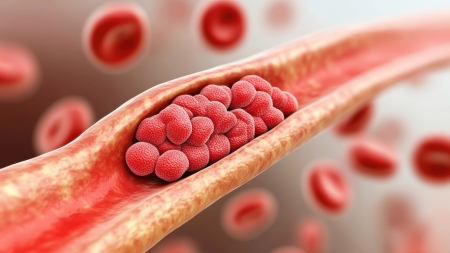
Back pain can be caused by narrowing of the arteries. The pain often occurs during exertion, for example when walking, and is misinterpreted as back or hip pain. This means that those affected often suffer from the symptoms for a long time until the actual cause is identified and they can be given long-term relief. This was also the case for Margrit W.: “It was a very challenging time for me – both physically and mentally. My family doctor initially prescribed physiotherapy to alleviate my symptoms. Initially, I placed all my hopes in this, but it didn't lead to any improvement. So he referred me to a specialist who advised me to undergo an infiltration therapy. It did actually relieve the pain and I began to feel hopeful. But three months later, the pain came back and the whole thing started all over again.”
“An arterial obstruction can occur anywhere in the body, even in the pelvis. They are usually associated with classic cardiovascular risk factors such as smoking, high blood pressure, diabetes and high cholesterol levels. If the patient is known to suffer from any of these or experiences discomfort in the thighs or calves alongside pain in their back and buttocks, the likelihood of vascular problems is increased.”
Interdisciplinary teamwork is a key to diagnosis
At the time, being symptom-free in the long term seemed like an unattainable goal for Margit – until she attended the Centre for Spinal Medicine and Pain Therapy at Hirslanden Klinik Aarau. Margrit W. was examined by the specialists and, after consulting her family doctor, referred to the Centre for Vascular Medicine Mittelland for further tests. “We now know that stress-related back pain can also be caused by arterial obstructions”, explains angiology specialist Prof. Nicolas Diehm at the Centre for Vascular Medicine Mittelland.
“When our colleagues at the Centre for Spinal Medicine and Pain Therapy refer a patient with chronic back pain to us, as was the case with Margrit W., we investigate the cause of the symptoms by measuring the blood pressure in the legs and carrying out an ultrasound examination. A CT scan of the internal pelvic arteries is often required because ultrasound is not sufficient to visualise them accurately”, continues Prof. Diehm.
The tests confirmed the doctors’ suspicions. Margrit W. was diagnosed with a narrowing of a blood vessel in the region of an internal pelvic artery, which supplies the buttocks with blood. “An arterial obstruction can occur anywhere in the body, even in the pelvis”, notes Prof. Diehm. “They are usually associated with classic cardiovascular risk factors such as smoking, high blood pressure, diabetes and high cholesterol levels. If the patient is known to suffer from any of these issues or experiences discomfort in the thighs or calves alongside pain in their back and buttocks, the likelihood of vascular problems is increased.” In Margrit W.’s case, it was her high blood pressure and elevated cholesterol levels that initially ed the specialist to suspect that she had a narrowing of the arteries.
Pain-free overnight
When arterial obstructions are detected in the pelvis, the angiologist inserts a stent into the blood vessel concerned using a balloon catheter as part of a minimally invasive procedure. Patients can be discharged from hospital the very next day. Margrit W. recalls the day after she had her procedure: “The pain had suddenly gone. After years of discomfort, I could scarcely believe that overnight, I was able to move around again without experiencing any pain.” Prof Diehm explains: It is true that the pain suffered by those affected resolves itself shortly after the procedure and the likelihood of another stent treatment being required is low.”
Margrit W. can now go about her daily life again without being in pain. Looking back, her only regret is that she did not consult the specialists at the Centre for Spinal Medicine and Pain Therapy and the Centre for Vascular Medicine Mittelland earlier. She has now taken up Nordic walking again and makes sure to maintain a healthy diet to counteract the hardening of the arteries and stay fit for longer.