Pulmonary fibrosis: When the lung tissue becomes scarred – causes and treatment approaches
How pulmonary fibrosis develops, which symptoms are typical and which treatment approaches are available.
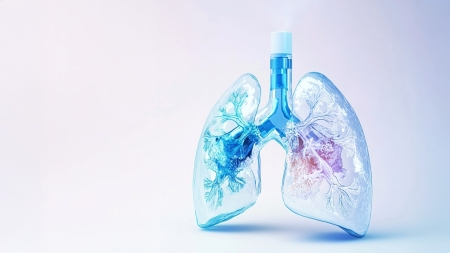
Pulmonary fibrosis is a rare but serious lung disease in which the lung tissue gradually becomes scarred and hardened. This scarring impairs the lungs' ability to absorb oxygen, which can lead to chronic shortness of breath and other severe symptoms. The progression of the disease varies greatly from person to person, and the causes are often unclear.
Causes and risk factors
Pulmonary fibrosis can be caused by a variety of factors. However, the exact cause often remains unknown. This is then referred to as the idiopathic form (idiopathic pulmonary fibrosis, IPF). Known triggers include:
- Chronic inflammation: Recurrent inflammation in the lungs leads to scarring of the tissue.
- Autoimmune diseases: Diseases such as rheumatoid arthritis or systemic lupus can also affect lung tissue.
- Occupational exposure: Contact with harmful substances such as asbestos, silicates or metal dust increases the risk.
- Infections: viral infections or certain bacterial diseases can trigger fibrosis.
- Medication and radiotherapy: certain medications or radiotherapy to the chest can cause long-term damage to lung tissue.
Symptoms of pulmonary fibrosis
The symptoms usually develop gradually and are often overlooked at first. Typical symptoms are:
- Shortness of breath: Initially only with physical exertion, later also at rest.
- Chronic cough: Often dry and persistent.
- Exhaustion: Sufferers often feel tired and weak.
- Weight loss: Unwanted weight loss can be another sign.
- Drumstick fingers: Thickened finger end-phalanxes are an indication of advanced fibrosis.
Diagnosis and treatment
A diagnosis of pulmonary fibrosis requires a thorough evaluation by specialists. Common procedures include:
- Pulmonary function tests: to determine breathing capacity.
- Imaging: High-resolution CT scans show scarring and tissue changes.
- Lung biopsy: Tissue samples confirm the diagnosis.
- Treatment depends on the cause and severity of the disease. For the idiopathic form, specialised medications are used that can slow the progression of the disease. Other approaches include:
- Corticosteroids: to suppress inflammation.
- Oxygen therapy: to improve oxygen supply.
- Respiratory therapy and exercise training: to stabilise the respiratory muscles.
In severe cases, lung transplantation remains as a last option.
Living with pulmonary fibrosis
Dealing with a chronic lung disease is challenging, but there are many ways to make everyday life easier. Good medical care, psychological support and adapting your lifestyle are important. Regular exercise, a balanced diet and not smoking are essential to improving your quality of life.