Sleep apnoea: how to recognise the warning signs – and what really helps
Do you have pauses in your breathing at night, snore loudly and suffer from excessive daytime sleepiness? Sleep apnoea is more common than many people realise, and it increases the risk of cardiovascular disease. Read on to find out how to recognise the warning signs, how it is diagnosed and what treatments really help.
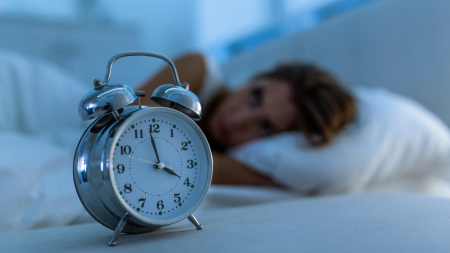
Do you snore loudly, have pauses in your breathing and feel groggy during the day? If so, sleep apnoea may be to blame. The obstructive form is the most common: it occurs when the throat muscles relax and block the airway repeatedly during sleep. Typical signs include loud snoring, observed pauses in breathing, sudden gasping for air, headaches when you get up in the morning as well as severe daytime fatigue and difficulty concentrating.
Why it is serious: left untreated, sleep apnoea increases the risk of high blood pressure, cardiovascular disease, stroke and type 2 diabetes, which can be more difficult to manage. In addition, the risk of having a road traffic accident increases if you nod off while driving.
When you should do something about it: if your partner starts to notice pauses in your breathing, you wake up feeling as if you are suffocating or you regularly feel tired behind the wheel, get it checked out - the first port of call is your GP; depending on what they say, an consultation with an ENT, pneumology or sleep specialist may follow.
How a diagnosis is made: things usually get underway with a home sleep apnoea test. If you have accompanying illnesses or the results are unclear, polysomnography is carried out in a sleep laboratory. The severity is determined on the basis of the apnoea-hypopnoea index (AHI): mild 5-<15, moderate 15-30, severe >30 breathing pauses per hour.
The most effective treatment for moderate to severe, symptomatic obstructive sleep apnoea is CPAP therapy: a slight positive pressure keeps the airways open; when used correctly, the symptoms usually improve swiftly. For mild to moderate OSA or if you are unable to cope with CPAP, a mandibular advancement splint may help. Other measures include positioning therapy, losing weight and treating nasal and throat conditions.
What you can already do today: avoid alcohol and sedatives in the evening, sleep on your side if possible, maintain a consistent sleep schedule, improve nasal breathing (e.g. treat allergies) and do not drive if you suffer from pronounced daytime sleepiness.
Next step with Compassana: if you experience pauses in your breathing or severe daytime fatigue, use Compassana to make an appointment with your GP, an ENT or sleep specialist directly. The app allows you to keep track of diagnoses, medications and check-ups, making sure that your medical care is well coordinated. Please note: this advice is not a substitute for a diagnosis or treatment by a doctor.